
CITABLE RESOURCES
In 2023 alone, Class 1 Railroads spent almost $13 BILLION in Fuel
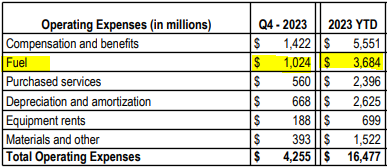
BNSF 2023
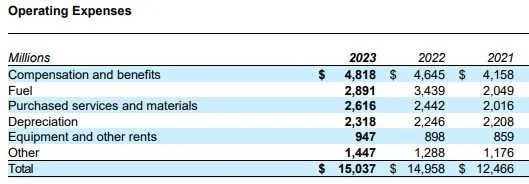
Union Pacific 2023
Collection of Links to Class 1 Railroads Financial Statements
Railroads and shareholders are concerned about Hydrogen and Batteries Safety
U.S Department of Transportation: Study of Hydrogen Fuel Cell Technology
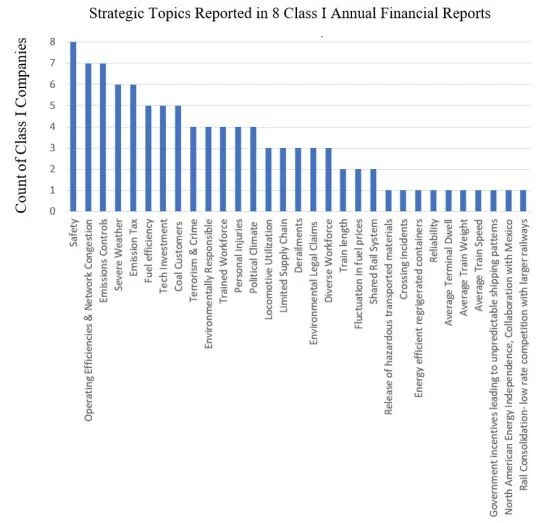
In 2021, the U.S. DOT and Federal Railroad Administration found by looking through Class 1 railroads annual financial reports mentioning such topics, that all 8 Railroads posted topics citing safety as their no 1 concern with Hydrogen and Battery technology.
Diesel Fuel Cells Are The Solution
California Air Resources Board
Technology Assessment: Freight Locomotives
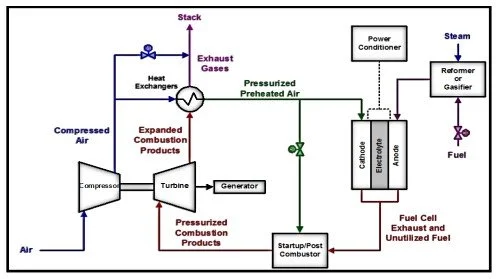
In 2016, the California Air Resources Board did a technology assessment for future freight locomotives.
They found that Hydrogen has some significant hurdles before industry-wide adoption happens.
Crucially they also found that a Solid-Oxide Fuel Cell System, utilizing a Gas Turbine, had significant viability, especially when utilizing a reformer to utilize existing fuel infrastructure.
“Although SOFC power systems have not yet been seriously considered as a viable
technology for mobile applications, recent investigations indicate the feasibility of such a
system is high.”
“Recent developments suggest SOFC technology can achieve very high
power density and when combined with a gas turbine, a hybrid SOFC-GT system could
provide even higher power density and efficiency.”
The Results
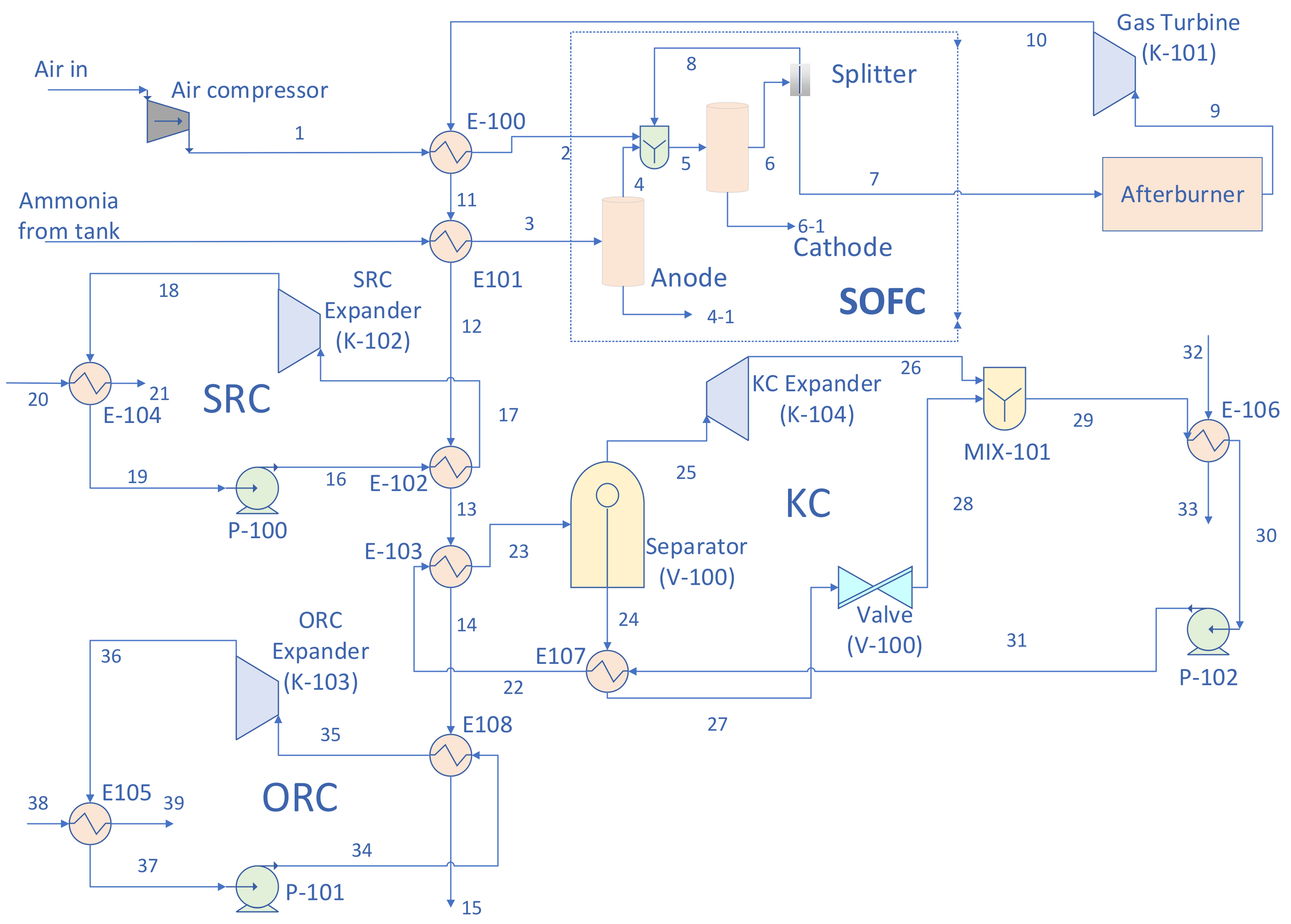
“In applications designed to capture and utilize the systems waste heat, overall fuel use efficiencies could top 80 to 85 percent.”
— CARB TECH ASSESSMENT — 2016
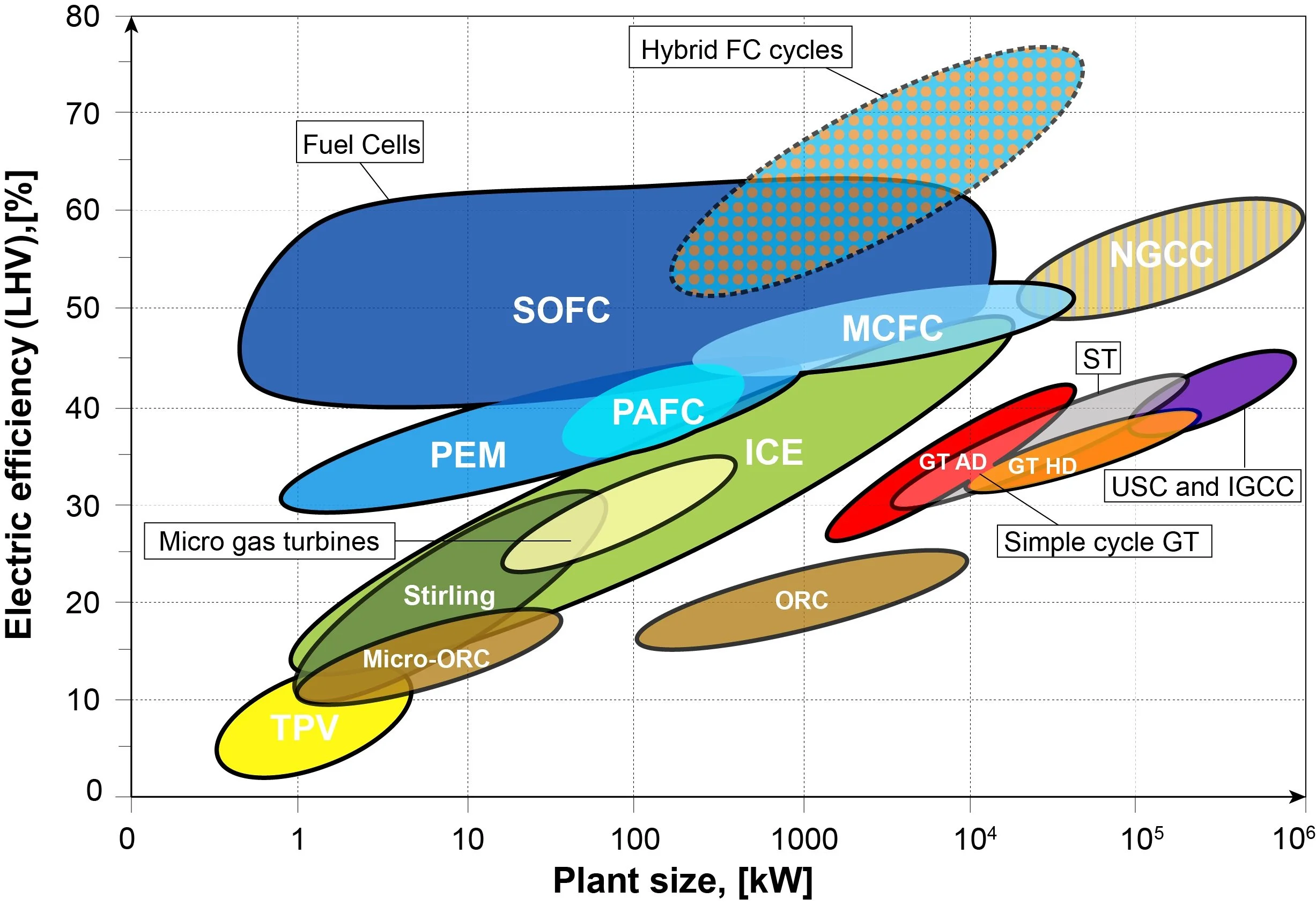
“SOFC power generation efficiency is 53.7%, the overall electrical efficiency can reach 74.46%, this can prove the high efficiency of the system.”
— Paper from EAME — 2015